
Japanese plant dolly aesthetic is a captivating blend of meticulous plant arrangement, traditional Japanese design principles, and a touch of doll-like charm. It’s more than just a trend; it’s a carefully curated world of miniature gardens and lush greenery, reflecting a deep appreciation for nature’s beauty. This aesthetic transcends mere decoration, delving into symbolism and cultural heritage, ultimately offering a serene and sophisticated space for contemplation.
From meticulously chosen plant species to precisely crafted compositions, the aesthetic meticulously blends Japanese artistry with modern sensibilities. Understanding its core elements, from the preferred plant types and colors to the intricate arrangement styles, provides a window into a world of aesthetic precision and cultural significance.
Defining the Aesthetic
The “Japanese plant dolly aesthetic” is a visually captivating trend blending elements of Japanese design sensibilities with the charm of plant-themed doll-like figures. It’s a nuanced style that transcends mere decoration, incorporating deep cultural symbolism and meticulous attention to detail. This aesthetic offers a unique approach to interior design, incorporating both natural and manufactured forms.This style distinguishes itself from other plant-related aesthetics through its emphasis on meticulous detail, miniature scale, and the incorporation of traditional Japanese artistic principles like wabi-sabi and shohin.
Unlike a purely botanical aesthetic, which might focus solely on plant forms, the Japanese plant dolly aesthetic incorporates miniature figures and carefully crafted arrangements.
Core Characteristics
This aesthetic is characterized by a combination of delicate miniature plants, often meticulously crafted, and small, doll-like figures that interact with them. The attention to detail is crucial, reflecting a deep appreciation for miniature landscapes and the intricate craftsmanship of Japanese artistry.
Historical and Cultural Influences
The aesthetic draws heavily from Japanese traditions, including wabi-sabi, which emphasizes the beauty of imperfection and natural processes. The concept of shohin, the art of cultivating miniature landscapes, is a key element. This approach to design and arrangement is evident in the careful selection of plants, their placement, and the overall harmony of the composition. The use of dolls adds a human element to the landscape, suggesting a relationship between humans and nature.
Traditional Japanese aesthetics, particularly the meticulous attention to detail in crafts like bonsai and miniature gardens, strongly influence this style.
Visual Elements
A prominent visual element is the use of miniature plants, often succulents or air plants. These are carefully arranged, sometimes in intricate miniature landscapes, and are often accompanied by small, meticulously crafted dolls, positioned in an organic and engaging manner. Colors tend to be muted and natural, mimicking the subdued palette found in traditional Japanese art. The use of natural materials, such as wood, bamboo, and stone, is common, further enhancing the natural aesthetic.
The use of delicate lighting is also crucial to showcase the miniature details. These elements contribute to a calming and tranquil atmosphere.
Symbolism and Imagery
Symbolism plays a significant role. Plants often represent growth, resilience, and the natural world, while the dolls can symbolize companionship or a connection to nature. The imagery frequently evokes a sense of serenity and tranquility, drawing on traditional Japanese concepts of harmony and balance. The combination of these elements conveys a deep appreciation for both the natural world and the meticulous artistry of Japanese design traditions.
Key Elements and Attributes
The Japanese plant dolly aesthetic, a visually captivating trend, centers on meticulously arranged miniature plants and miniature-scale environments. This meticulously crafted style draws inspiration from Japanese aesthetics like wabi-sabi, emphasizing the beauty found in imperfection and simplicity. It fosters a sense of calm and tranquility, often evoking a serene and nurturing atmosphere.The visual appeal of this aesthetic stems from the careful selection of plant species, colors, textures, and arrangement styles, all meticulously chosen to create a harmonious and captivating miniature world.
The core elements contribute to a cohesive visual narrative that transcends mere decoration, transforming into an immersive experience.
Primary Plant Species
The Japanese plant dolly aesthetic frequently features small-sized, easy-to-manage plants. These often include succulents, air plants, miniature ferns, and various types of bonsai, specifically miniature versions or variations. The selection prioritizes visual appeal, size, and adaptability to small-scale arrangements. These plants, chosen for their adaptability and manageable size, readily lend themselves to detailed and intricate compositions.
Preferred Colors, Textures, and Shapes
A key characteristic is the use of a palette of muted, natural tones, often featuring greens, grays, and browns, mirroring the earth’s natural color scheme. These colors are frequently juxtaposed with pops of brighter accents, such as vibrant blossoms or uniquely patterned leaves. Textures vary significantly, ranging from smooth, polished surfaces of pots to the rough, textured foliage of specific plants.
The forms of plants are often emphasized, with a focus on natural shapes and asymmetry. This variety of textures and forms contributes to a visually engaging composition.
Arrangement Styles and Compositions
Arrangements often follow a meticulous approach, with careful consideration given to spacing, depth, and the interplay of light and shadow. The arrangement style mirrors Japanese aesthetic principles, emphasizing simplicity and balance. Common compositions include groupings of plants in carefully curated arrangements, showcasing the beauty of individual species. The placement of elements, like miniature figurines or decorative items, enhances the overall composition and the sense of a miniature environment.
For example, a small, stylized teahouse might be incorporated into the scene, adding to the overall miniature world.
Comparison with Similar Styles
The Japanese plant dolly aesthetic distinguishes itself from minimalist aesthetics through its embrace of a fuller, more curated presentation. It differs from cottagecore by emphasizing meticulous arrangement and a greater focus on Japanese aesthetics. Minimalist aesthetics tend to lean towards a cleaner, more sparse presentation, while cottagecore often favors a more rustic and natural feel. The Japanese plant dolly aesthetic sits in a space between these two styles, blending a touch of both, yet retaining a distinct personality.
Key Elements and Visual Representations
| Element | Visual Representation |
|---|---|
| Plant Species | Small succulents, air plants, miniature ferns, bonsai (miniature versions) |
| Colors | Muted natural tones (greens, grays, browns) with pops of vibrant accents |
| Textures | Smooth, polished surfaces of pots contrasted with textured foliage |
| Shapes | Natural forms, asymmetry, emphasis on plant shapes |
| Arrangement Styles | Carefully curated groupings, emphasis on spacing and depth |
| Compositions | Miniature environments, integration of decorative items |
Practical Applications

The Japanese plant dolly aesthetic, characterized by its minimalist elegance and focus on natural elements, extends far beyond the realm of personal preference. Its sophisticated simplicity translates seamlessly into diverse design applications, from home décor to professional settings. This aesthetic offers a tranquil and visually appealing approach to spaces, promoting a sense of calm and connection with nature.The appeal of this aesthetic lies in its ability to be integrated into various design contexts, offering both a soothing atmosphere and a practical approach to space utilization.
Its adaptability allows for subtle yet impactful transformations in any environment, whether it’s a cozy living room or a sophisticated office.
Interior Design Applications
This aesthetic is well-suited for interior design, offering a blend of natural beauty and contemporary style. The key is balancing the visual appeal of plants with a mindful selection of furniture and décor to create a cohesive and harmonious space. Careful consideration of color palettes, textures, and lighting is crucial to achieve the desired effect. The emphasis on clean lines and natural materials contributes to a tranquil ambiance, promoting relaxation and well-being.
Home Decor Examples
The aesthetic’s versatility is evident in its adaptability to different home decor styles. A minimalist living room might feature a curated collection of potted plants arranged on low tables, complemented by simple, light-colored furniture and natural fibers. In a more traditional space, the aesthetic could be incorporated by strategically placing plants in carefully selected areas, using ceramic pots that complement the overall color scheme.
A focal point, such as a large, sculptural planter, can anchor the room and serve as a central visual element.
Applications in Photography and Fashion
The Japanese plant dolly aesthetic extends beyond interior design. In photography, it can be employed to create serene and visually captivating images. By strategically positioning plants and natural elements within a scene, photographers can evoke a sense of tranquility and natural beauty. In fashion, this aesthetic can be reflected through the use of natural fabrics, earthy tones, and subtle floral prints in garments and accessories.
This style can add a touch of understated elegance and a strong connection to nature to the fashion industry.
Interior Design Scenarios
| Scenario | Key Elements | Visual Description |
|---|---|---|
| Modern Minimalist Living Room | Small, potted plants, simple furniture (light wood or neutral tones), natural light, clean lines | A serene space with strategically placed potted plants on low tables, paired with light-colored furniture and soft lighting, promoting a calm atmosphere. |
| Traditional Japanese-Inspired Dining Room | Large bonsai trees, natural wood elements, warm lighting, subtle patterns | A sophisticated dining area with a focus on natural materials, incorporating large bonsai trees and natural wood elements. |
| Contemporary Office Space | Vertical planters, minimalist desks, natural light, subtle pops of color | A productive and visually appealing office space with vertical planters that create a sense of tranquility, paired with clean lines and natural light. |
Plant Care and Maintenance
Cultivating a thriving plant dolly aesthetic necessitates meticulous care. Proper plant selection and consistent maintenance are crucial for achieving the desired visual harmony and longevity of the greenery. Neglecting these aspects can lead to wilting, disease, and ultimately, a less-than-invigorating display. The delicate balance between plant needs and the aesthetic vision must be carefully considered.The success of this aesthetic hinges on understanding the specific requirements of each plant.
From light exposure to watering frequency, these nuances determine the health and vibrancy of the chosen specimens. Consistent monitoring and adjustments to care routines are essential for maintaining the aesthetic’s visual appeal and preventing setbacks.
Typical Plant Care Practices
Plant care practices are vital for maintaining the vibrant, healthy look inherent in the aesthetic. This involves a combination of techniques tailored to each plant’s specific needs. Watering frequency, light exposure, and soil composition are all critical aspects of maintaining the optimal environment for the plants. Understanding the individual needs of each species is essential for their long-term health and aesthetic appeal.
Selection Criteria for Appropriate Plants
Selecting the right plants is paramount. Factors such as light tolerance, water requirements, and growth rate significantly impact the plant’s ability to thrive and maintain its aesthetic appeal. Consideration should be given to the overall space, available light, and the aesthetic’s desired atmosphere. The long-term maintenance needs should be carefully assessed to avoid future problems.
Maintaining Plants in Optimal Condition
Maintaining optimal plant condition requires consistent monitoring and adaptation to the plants’ specific needs. Regular inspection for pests, diseases, or signs of stress is crucial. Adjustments to watering schedules and light exposure are essential to prevent issues. A proactive approach is key to preventing problems and maintaining the plants’ health.
Maintenance Techniques for Different Plant Species
Different plant species demand varying maintenance techniques. Succulents, for instance, require less frequent watering than leafy greens. Understanding these variations ensures that each plant receives the specific care it needs. This tailored approach promotes overall health and visual appeal.
Table Summarizing Plant Care Needs for Common Species
| Plant Species | Light Requirements | Watering Frequency | Soil Composition | Additional Notes |
|---|---|---|---|---|
| Snake Plant (Sansevieria trifasciata) | Low to bright, indirect light | Water sparingly, allow soil to dry out completely between waterings | Well-draining soil mix | Tolerant of low light conditions |
| Pothos (Epipremnum aureum) | Bright, indirect light | Water thoroughly when the top inch of soil is dry | Well-draining potting mix | Can tolerate low light but growth will be slower |
| ZZ Plant (Zamioculcas zamiifolia) | Low to bright, indirect light | Water infrequently, allow soil to dry out completely between waterings | Well-draining soil mix | Highly drought-tolerant |
| Spider Plant (Chlorophytum comosum) | Bright, indirect light | Water when the top inch of soil is dry | Well-draining potting mix | Tolerates a wider range of light conditions |
Visual Representation and Inspiration
The Japanese plant dolly aesthetic transcends mere practicality; it’s a visual language, a narrative expressed through meticulously crafted arrangements and carefully selected plants. Understanding its visual representation unlocks the soul of this aesthetic, revealing its evocative power and potential for diverse applications. Its essence lies not just in the objects themselves, but in the harmonious interplay of form, color, and texture that evokes a sense of serenity and mindful appreciation.This aesthetic, rooted in traditional Japanese principles of minimalism and natural beauty, finds visual expression in carefully curated spaces.
The emphasis is on creating a balanced and calming atmosphere, where the plants and their surroundings become a single, integrated artwork. The focus shifts from the overwhelming to the exquisitely refined.
Ideal Image Descriptions
The visual representation of the Japanese plant dolly aesthetic relies heavily on conveying a sense of tranquility and harmony. Ideal images showcase a meticulously organized space, where plants are not just present but are thoughtfully integrated into the environment. Natural light plays a crucial role, illuminating the delicate foliage and creating a sense of depth and atmosphere.
Descriptive Phrases for Ideal Images
- Subtle color palettes that evoke nature’s tranquility, such as muted greens, soft pinks, and warm browns.
- A harmonious balance between different plant types and sizes, emphasizing variety and texture.
- Clean lines and minimalist forms, highlighting the elegance of the arrangement.
- Well-defined focal points, guiding the viewer’s eye through the composition and drawing attention to the beauty of the plant forms.
- A soft, diffused light, casting gentle shadows that enhance the depth and dimensionality of the arrangement.
- The use of natural materials, such as wood and stone, seamlessly integrating the plants into the surrounding environment.
- A sense of spaciousness and airiness, preventing the arrangement from feeling cluttered or overwhelming.
Examples of Embodied Artists and Designers
- Japanese floral designers known for their minimalist and refined approaches to ikebana (flower arranging) can exemplify the aesthetic, with careful selection of materials and attention to form and balance.
- Contemporary interior designers who focus on natural light and minimalist décor, with plants strategically integrated into the space, offer further examples.
- Photographers specializing in still life and nature photography, capable of capturing the essence of a plant dolly arrangement, offer unique insights.
Visual Element Categorization
| Visual Element | Description |
|---|---|
| Color Palette | Subtle, muted tones, drawing inspiration from nature’s spectrum; emphasizing harmony and serenity. |
| Plant Selection | A variety of plant types, textures, and sizes, carefully chosen for their visual appeal and complementarity; showcasing a sense of balance and interconnectedness. |
| Arrangement Style | A structured yet flexible approach, emphasizing clean lines, natural shapes, and mindful integration with the surroundings. |
| Lighting | Natural, diffused light, casting soft shadows that accentuate the forms and textures of the plants. |
| Materials | Natural materials such as wood, stone, and bamboo, seamlessly blending the plants with the environment. |
Materials and Tools
Cultivating the Japanese plant dolly aesthetic necessitates a meticulous selection of materials and tools. Beyond the inherent beauty of the plants, the careful curation of these elements contributes significantly to the overall visual harmony and longevity of the arrangement. The appropriate choice of materials and tools directly impacts the success of the aesthetic, fostering a thriving and aesthetically pleasing environment.
Common Materials
The selection of materials for Japanese plant dolly arrangements hinges on their ability to complement the natural forms and colors of the plants. Common materials include ceramic pots, meticulously crafted in diverse shapes and sizes, reflecting the traditional Japanese appreciation for artistry and form. Natural materials like wood, bamboo, and stone, often incorporated into the arrangement, provide grounding elements, enhancing the visual interplay between the natural and the crafted.
A selection of gravel, moss, and small decorative rocks are also integral, contributing to the nuanced textures and layered depth of the composition. The color palette often adheres to a subdued and earthy tone, with muted greens, browns, and grays being common choices, while occasional pops of color are used sparingly to enhance the overall aesthetic.
Essential Tools for Care and Maintenance
A well-maintained Japanese plant dolly arrangement hinges on meticulous care. Essential tools include gardening shears for trimming and shaping plants, allowing for precise pruning and the maintenance of a balanced aesthetic. Small, delicate tools, like tweezers, are crucial for handling delicate plants and soil, ensuring the integrity of the arrangement. Watering tools, such as small watering cans or spray bottles, are essential for hydration and the preservation of the plants’ vitality.
Measuring tools, such as a small ruler or a graduated cylinder, are essential for proper watering and soil amendment. Finally, a magnifying glass, allowing for a detailed examination of plants, can aid in early disease detection and treatment.
Selection Criteria for Materials
The selection criteria for materials in a Japanese plant dolly arrangement are driven by the principles of harmony, balance, and visual appeal. The materials should complement the plants’ natural forms and colors, creating a cohesive and aesthetically pleasing composition. Durability is paramount, ensuring that the materials withstand the elements and maintain their integrity over time. The materials should also exhibit a degree of visual interest and tactile appeal, adding depth and texture to the arrangement.
Sustainability is also increasingly important; selecting ethically sourced and recyclable materials demonstrates a commitment to environmental responsibility.
Role of Natural Elements
Natural elements play a vital role in the Japanese plant dolly aesthetic. The integration of natural elements, such as wood, stone, and moss, fosters a sense of connection to nature, grounding the arrangement in its surrounding environment. Natural elements provide a tangible link to the natural world, enhancing the tranquility and serenity associated with the aesthetic. They also contribute to the overall visual appeal, adding depth, texture, and a sense of groundedness to the arrangement.
Materials, Tools, and Their Purposes
| Material | Tool | Purpose |
|---|---|---|
| Ceramic pots | Gardening shears | Container for plants, aesthetic element |
| Wood, bamboo, stone | Tweezers | Structural elements, visual interest |
| Gravel, moss, small rocks | Small watering cans/spray bottles | Textural elements, visual depth |
| Watering tools | Measuring tools (ruler/cylinder) | Hydration, maintaining plant health |
| Gardening shears | Magnifying glass | Plant trimming, shaping |
Symbolism and Cultural Significance
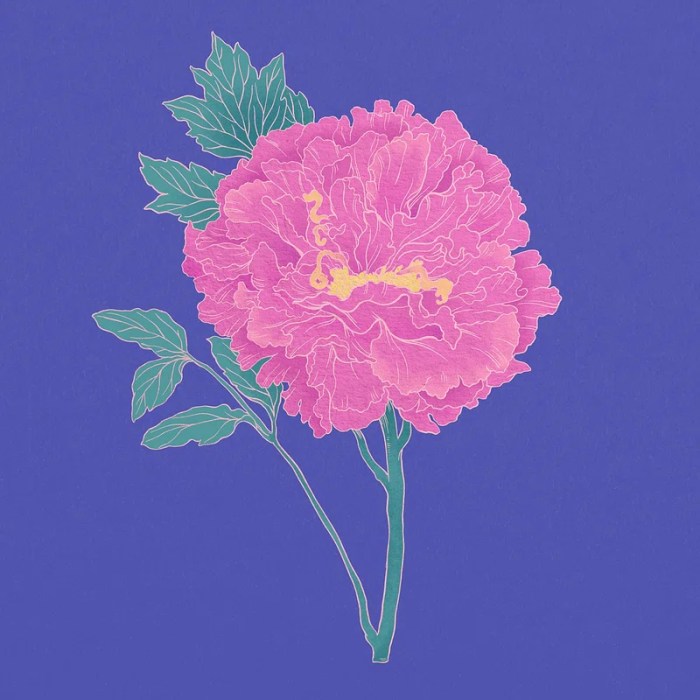
The Japanese plant dolly aesthetic draws heavily on the deep-rooted symbolism of plants in Japanese culture. This symbolism, interwoven with the philosophy ofwabi-sabi*, shapes the aesthetic’s core values and visual language. The aesthetic’s careful selection of plants reflects a profound respect for nature and its inherent beauty, often found in imperfection and simplicity.The aesthetic, in essence, is a visual expression of Japanese cultural values and beliefs, particularly those concerning nature’s beauty and tranquility.
This reverence for nature is further exemplified in the delicate and often minimalist compositions of the plant dollies.
Plant Symbolism in Japanese Culture
Japanese culture has rich traditions of associating plants with specific meanings. These associations often stem from the plant’s physical characteristics, growth patterns, or historical significance. The symbolism is not always straightforward, often evolving through poetry, art, and folklore. A deeper understanding of these symbolic connections is key to appreciating the nuances of the plant dolly aesthetic.
Table of Plant Symbolism
The following table provides a glimpse into the rich symbolism surrounding common plants in Japanese culture:
| Plant | Meaning/Symbolism |
|---|---|
| Cherry Blossom (Sakura) | Transience, beauty, fleeting joy, renewal, spring. Often associated with the beauty of impermanence and the ephemeral nature of life. |
| Bamboo | Strength, resilience, flexibility, integrity, and moral uprightness. Its ability to bend without breaking embodies adaptability. |
| Chrysanthemum | Autumn, longevity, nobility, elegance. A popular motif in art and design, signifying beauty and refined taste. |
| Pine | Strength, longevity, endurance, resilience, strength of character. Often depicted as evergreen, signifying enduring strength. |
| Lotus | Purity, enlightenment, rebirth, beauty, grace, and spiritual awakening. Its ability to grow from muddy water symbolizes spiritual growth from adversity. |
| Plum Blossom (Ume) | Resilience, hope, early spring, and beauty in adversity. Their ability to bloom in the cold suggests strength and hope for a new season. |
| Wisteria | Abundance, prosperity, good fortune, and femininity. Their cascading nature often symbolizes a rich and flowing life. |
Nature’s Role in Japanese Aesthetics
The concept ofmono no aware* (the pathos of things) plays a crucial role in Japanese aesthetics. This philosophy emphasizes the beauty of impermanence, transience, and the inherent beauty found in the natural world. The aesthetic finds its essence in capturing the subtle nuances and ephemeral qualities of nature. The plant dolly aesthetic, through its careful selection and arrangement of plants, reflects this appreciation for the delicate beauty of nature.
In the Japanese aesthetic, nature is not just a backdrop; it is a fundamental component of the artistic expression.
Manifestation in the Plant Dolly Aesthetic
The plant dolly aesthetic reflects these cultural symbols through meticulous selection and arrangement of plants. For example, cherry blossoms might represent the ephemeral beauty of life, while bamboo’s resilience could evoke the strength to overcome adversity. These symbols, integrated into the carefully crafted compositions, resonate with the viewer on a deeper emotional level, connecting them to the rich cultural heritage of Japan.
Trends and Evolution
The Japanese plant dolly aesthetic, a fusion of miniature gardening, meticulously crafted presentation, and a deep appreciation for nature, has seen a significant evolution over time. Initially rooted in traditional Japanese aesthetics, it has adapted and expanded to encompass contemporary preferences and technological advancements, notably the rise of social media. This dynamic evolution reflects the ever-changing tastes and cultural influences impacting the design and application of this unique style.
Evolutionary Timeline
The Japanese plant dolly aesthetic’s evolution isn’t linear, but rather a complex interplay of cultural shifts, technological innovations, and shifting social values. Understanding its development provides insight into the style’s enduring appeal and adaptability.
- Early Influences (Pre-2010s): Early iterations of the aesthetic drew heavily from traditional Japanese gardening principles, like bonsai and rock gardens, incorporating meticulous detail and a focus on miniature landscapes. The aesthetic was often seen in specialized hobbyist circles and limited by the available materials and technologies.
- Social Media Era (2010s): The advent of social media platforms like Instagram and Pinterest profoundly impacted the aesthetic. Visual sharing became a key element, promoting the aesthetic to a broader audience and enabling experimentation with different styles and materials. This era saw the emergence of highly stylized and often meticulously detailed plant dollys, showcased with striking photography.
- Contemporary Adaptations (2020s): The aesthetic continues to evolve with a renewed focus on sustainability and mindful design. The integration of eco-friendly materials, ethical sourcing, and a greater emphasis on plant health and well-being are increasingly prominent. Contemporary interpretations often feature a more natural, less rigidly structured approach while maintaining a focus on aesthetics.
Adapting to Contemporary Tastes
The contemporary interpretations of the Japanese plant dolly aesthetic demonstrate a keen awareness of contemporary design trends. This adaptability ensures its continued relevance and appeal.
- Emphasis on Minimalism: Modern interpretations often incorporate minimalist design principles, simplifying the overall composition while still maintaining intricate details. This trend is evident in the use of clean lines, muted color palettes, and a focus on essential elements.
- Integration of Sustainability: The aesthetic has embraced eco-friendly materials and practices, with an increasing focus on ethically sourced plants and sustainable materials for display. This reflects a growing consumer interest in eco-conscious design and products.
- Integration of Technology: Digital tools and technologies play a crucial role in showcasing and promoting the aesthetic. High-quality photography and video editing techniques are used to enhance the visual appeal of the plant dollys, while online platforms enable wider access and engagement.
Role of Social Media
Social media has been instrumental in the dissemination and evolution of the Japanese plant dolly aesthetic. It has created a global community and fostered innovation and creativity.
The platforms facilitate sharing and inspiration, promoting diverse interpretations and encouraging collaboration among enthusiasts. This interactive aspect fosters a vibrant community, where users share tips, techniques, and inspire new trends, significantly influencing the direction of the aesthetic.
Creative Interpretations and Adaptations
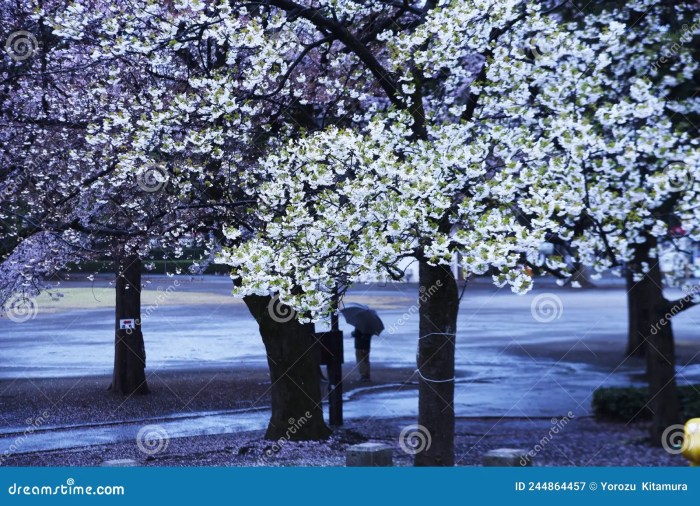
The Japanese plant dolly aesthetic, rooted in meticulous craftsmanship and a deep appreciation for nature, offers fertile ground for creative interpretations. Beyond its traditional applications, this aesthetic can be adapted and reimagined across various contexts, reflecting contemporary sensibilities and emerging design trends. This evolution underscores the adaptability and enduring appeal of the concept.
Unique Adaptations and Applications
The plant dolly aesthetic is not confined to traditional displays. Contemporary designers are exploring diverse applications, incorporating it into furniture design, interior architecture, and even fashion accessories. For instance, miniature plant dolly installations can transform small spaces into serene oases, adding a touch of tranquility to urban environments.
Adaptations to Different Contexts
The adaptability of the aesthetic allows for its integration into diverse contexts. From minimalist urban apartments to expansive country estates, the principles of balance, harmony, and natural elements remain central, regardless of the scale or style of the space. This adaptability ensures the aesthetic’s enduring relevance across various architectural and design styles.
Contemporary Adaptations and Interpretations
Contemporary interpretations embrace innovative materials and techniques. 3D-printed plant dollies, for example, allow for intricate designs and personalized configurations. Furthermore, sustainable materials, like reclaimed wood and recycled plastics, are increasingly incorporated, aligning the aesthetic with environmentally conscious design principles. This reflects a growing awareness of sustainability in design choices.
Table of Creative Interpretations
| Interpretation | Application | Key Elements |
|---|---|---|
| Urban Minimalist | Small apartment living | Compact plant dollies, natural light maximization, neutral color palettes, minimalist accessories |
| Rustic Farmhouse | Country home decor | Larger plant dollies, reclaimed wood or natural materials, textured surfaces, muted color schemes |
| Modern Industrial | Contemporary loft spaces | Geometric plant dollies, metal accents, exposed brick or concrete, bold color choices |
| High-Tech Contemporary | Futuristic designs | 3D-printed plant dollies, LED lighting, minimalist forms, transparent or reflective surfaces |
Community and Online Presence
The Japanese plant dolly aesthetic, with its delicate beauty and meticulous care, has fostered a vibrant online community. This community transcends geographical boundaries, connecting enthusiasts who share a passion for cultivating and displaying these miniature landscapes. Online platforms are crucial for sharing inspiration, troubleshooting challenges, and ultimately shaping the aesthetic’s evolution.The online space has become a crucial hub for this aesthetic, enabling the exchange of knowledge, techniques, and artistic interpretations.
Discussions about plant selection, arrangement, lighting, and the cultural significance of these miniature worlds are frequent and often insightful. This dynamic interaction fosters creativity and drives innovation within the community.
Key Online Platforms
The Japanese plant dolly aesthetic has found a home on various online platforms, each serving a unique function within the broader community. These platforms allow for the sharing of images, tutorials, and experiences, connecting enthusiasts from around the globe. The platforms listed below cater to diverse needs and interests.
- Social media platforms like Instagram and Pinterest are vital for showcasing miniature landscapes. High-quality photography and aesthetically pleasing visuals are essential for attracting attention and inspiring others. Hashtags such as #plantadolly, #minijardin, and #bonsai are frequently used to categorize and locate relevant content, enabling discovery and fostering engagement.
- Specialized forums and online groups dedicated to miniature gardening and plant care provide deeper discussion and support. These platforms allow for detailed questions, troubleshooting advice, and the sharing of unique experiences and techniques, fostering a sense of community and mutual support. These forums are particularly useful for addressing specific challenges, like plant pests or unusual growth patterns.
- Dedicated online retailers and marketplaces facilitate the exchange of rare or specialized plants, tools, and materials. These platforms connect enthusiasts with vendors, ensuring access to high-quality supplies and fostering a vibrant marketplace for specialized products.
Impact of Online Community
The online community actively shapes the aesthetic through its shared experiences, feedback, and evolving trends. Enthusiasts contribute to the definition of what constitutes a well-maintained plant dolly display, influencing design choices and contributing to a shared understanding of best practices.
- The aesthetic is continuously evolving due to the constant feedback and creativity within the online community. As new techniques and ideas are shared, the aesthetic adapts, leading to fresh approaches to design and arrangement.
- Challenges and solutions are frequently discussed on online platforms, ensuring the sharing of knowledge and experience to resolve issues effectively. This collective wisdom helps enthusiasts overcome difficulties and maintain the health and beauty of their plant dollies.
- New trends and styles are often initiated and disseminated within the online community. The shared enthusiasm and creativity contribute to the development of new approaches to arrangement, lighting, and overall presentation, continually inspiring the evolution of the aesthetic.
Key Online Platforms and Their Significance
| Platform | Significance |
|---|---|
| Visual showcase, inspiration, community building through high-quality images and engagement. | |
| Inspiration boards, visual organization of ideas, discovery of diverse styles. | |
| Specialized Forums (e.g., Reddit, dedicated gardening groups) | Detailed discussions, troubleshooting, advanced techniques, and expert advice. |
| Online Retailers (e.g., Etsy, specialized plant shops) | Access to rare and specialized plants, tools, and materials, facilitating trade and commerce within the community. |
Last Word
The Japanese plant dolly aesthetic, a fusion of traditional Japanese artistry and contemporary sensibilities, offers a rich tapestry of inspiration and practical applications. Whether in interior design, photography, or fashion, this aesthetic is not just a style; it’s a portal to a world where nature’s beauty is embraced in a meticulously crafted and thoughtfully symbolic way. The aesthetic’s enduring appeal lies in its capacity to inspire creative expression while honoring a deep cultural heritage.
